shorthair
Jungle Curl
Origin: United States
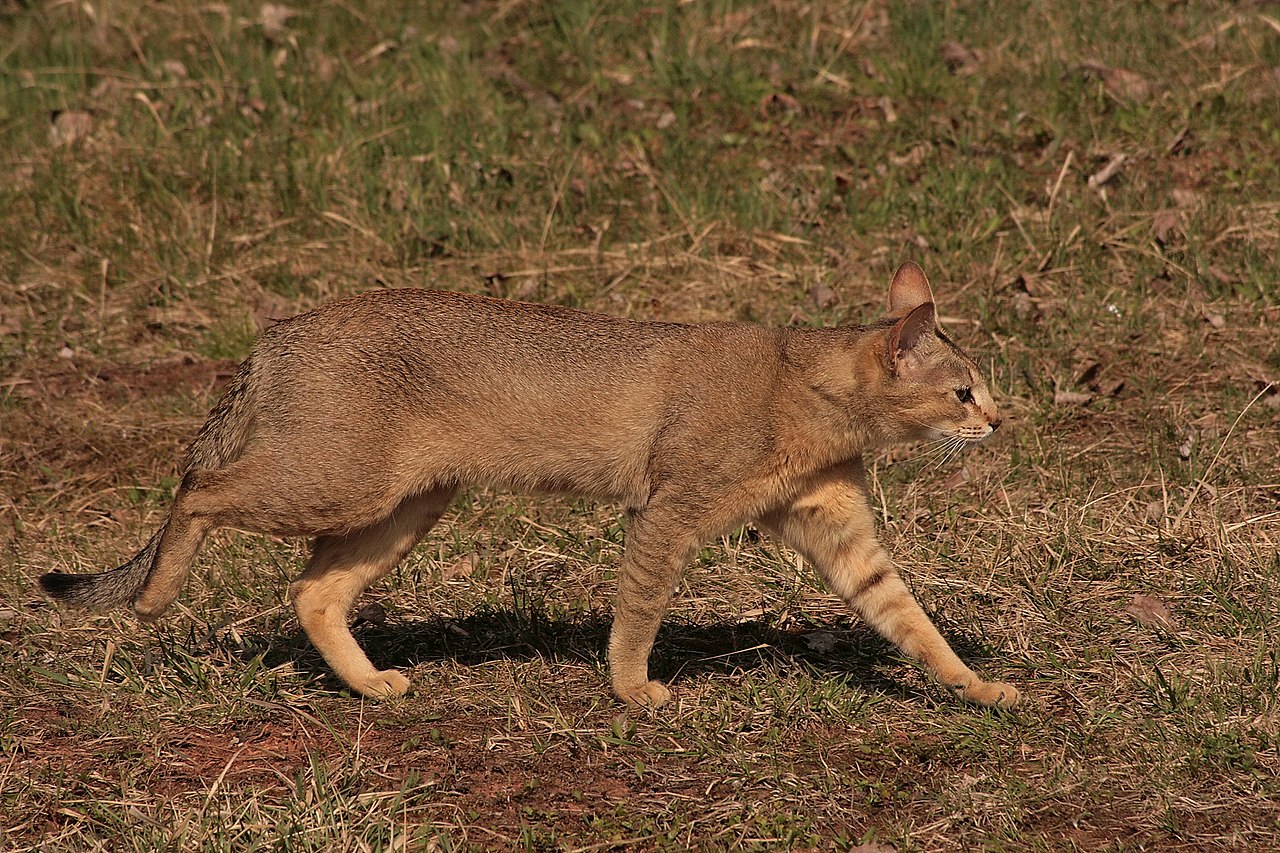
A rare experimental hybrid that pairs the wild, exotic look of a jungle-cat cross with the curled-back ears of the American Curl — an athletic, jungle-patterned cat with a distinctive silhouette and a lively, dog-like devotion to its people.
- Origin
- United States
- Category
- shorthair
- Lifespan
- 12–18 yrs
- Size
- Medium to large
- Weight
- 4–9 kg
- Coat
- Short to medium, dense and often glossy, sometimes with a slight sheen or 'glitter'
- Colours
- Wild-type ticked, spotted or marbled tabby patterns in browns, blacks and silvers
😺 Temperament
🏡 Best suited to
📊 Personality ratings
📜 History & origin
The Jungle Curl was created in the United States in the 1990s by crossing jungle-cat hybrids — domestic cats carrying ancestry from the jungle cat (Felis chaus), including 'Jungle Bob' and Chausie-type lines — with the American Curl, the breed famous for the gene that curls its ears backwards. The aim was to combine the untamed, ticked-and-spotted appearance of a small wildcat with the American Curl's charming curved ears, producing a strikingly exotic pet with a fully domestic temperament. It remains a very rare, experimental breed recognised only by limited registries and kept by a small number of dedicated breeders.
🧼 Care & grooming
The short-to-medium coat is easy to look after, needing only a weekly brush to keep it glossy. The real commitment with a Jungle Curl is meeting its considerable energy and intelligence: this is an agile, athletic cat that loves to climb, leap and explore, so tall cat trees, secure high perches, interactive play and puzzle feeders are essential to keep it happy and out of mischief. The curled ears should be checked and cleaned gently and regularly, as the shape can trap a little more wax. Sociable and people-focused, the Jungle Curl thrives on company and interaction and dislikes being left alone for long stretches.
🩺 Health notes
As a hybrid breed the Jungle Curl generally benefits from good hybrid vigour and is typically robust and long-lived, though its rarity means there is limited long-term breed-specific health data. The main breed-specific point of care is the ears: the gene that curls them is the same one seen in the American Curl, and the cartilage is more rigid than a normal cat's, so ears must be handled carefully — especially in kittens, whose ears are delicate as they set — and kept clean to avoid wax build-up and infection. Otherwise these cats need the same routine preventive care as any domestic cat.